Buying toys as gifts: age labels, UKCA and CE marks, button batteries and magnets

Quick answer: When you buy a toy as a present, check four things: the age marking and any "not suitable for children under 36 months" warning, a UKCA or CE mark, warnings and instructions in English, and whether the toy contains button batteries or small, strong magnets. Buy from a seller you can contact, and keep the packaging and instructions.
Last updated: 16 November 2026
Toys sold in Great Britain must meet the Toys (Safety) Regulations 2011, which cover products designed or intended for play by children under 14. Most toys you buy will be perfectly safe. The checks below take a minute in the shop or on a product page, and they matter most when a toy is going to a house with children of different ages.
Age markings and the under-three warning
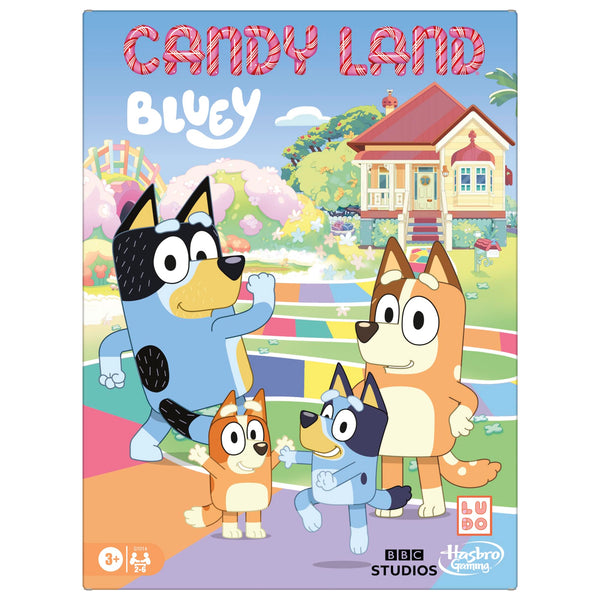
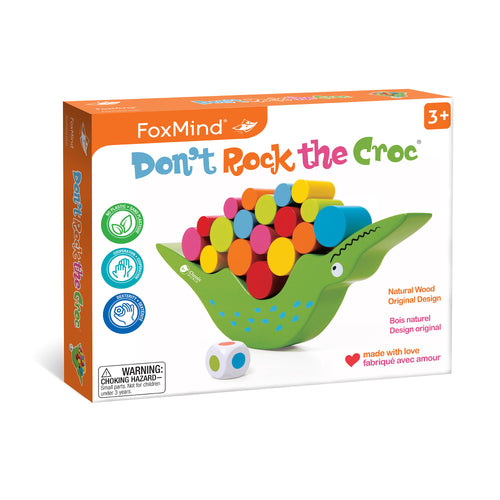
Two kinds of age information appear on toy boxes. The first is a suggested age range for the play itself, such as "ages 3–5" on a preschool game like Don't Rock the Croc or "ages 8+" on a party game like Dixit. The second is a safety warning. Under the regulations, toys that might be dangerous for children under 36 months must carry a warning such as "Not suitable for children under 36 months" or "Not suitable for children under three years", or the equivalent symbol, accompanied by a brief indication of the specific hazard.
The warning is not required on toys that are obviously unsuitable for under-threes because of their function or size. And toys intended for under-threes must themselves be designed so that they and their detachable parts are too large to be swallowed or inhaled.
| Age group | Typical toys | What to check |
|---|---|---|
| Babies and toddlers (under 3) | Soft toys, stacking rings, chunky shape sorters | No under-36-months warning; seams and attached parts feel secure |
| Pre-school (3–5) | Wooden puzzles, balance games, play food | The under-36-months warning if younger siblings are around |
| School age (5–8) | Craft kits, science kits, counting games | Adult-supervision warnings on chemical and experiment kits |
| Older children (8–12) | Construction kits, card and board games, model kits | Small parts, batteries and how they are secured |
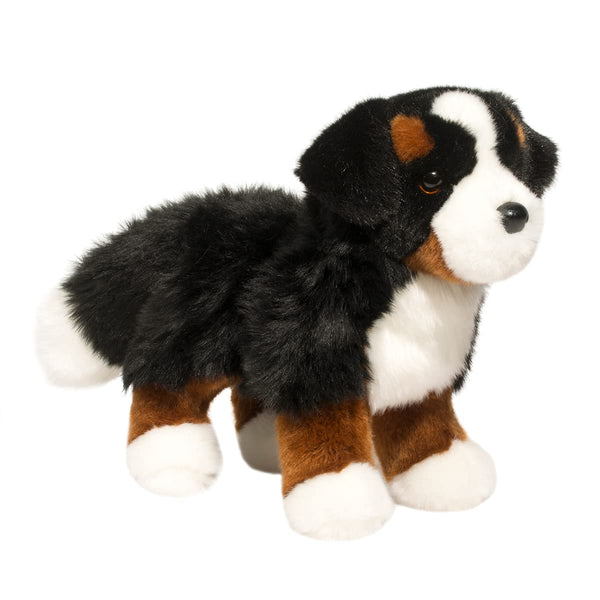
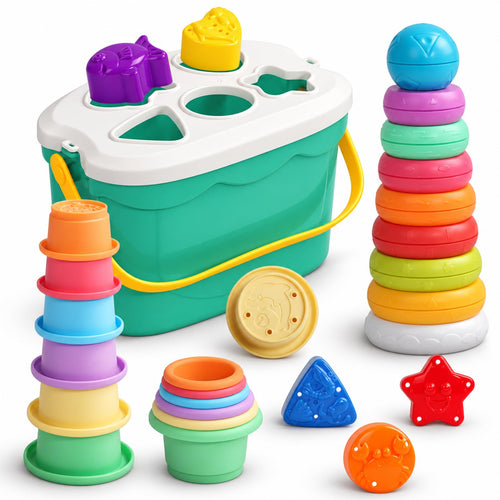
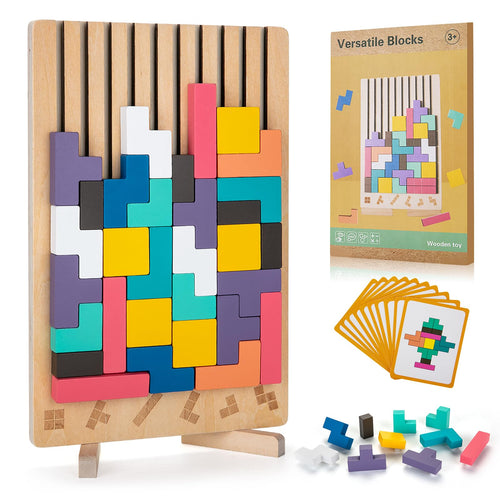
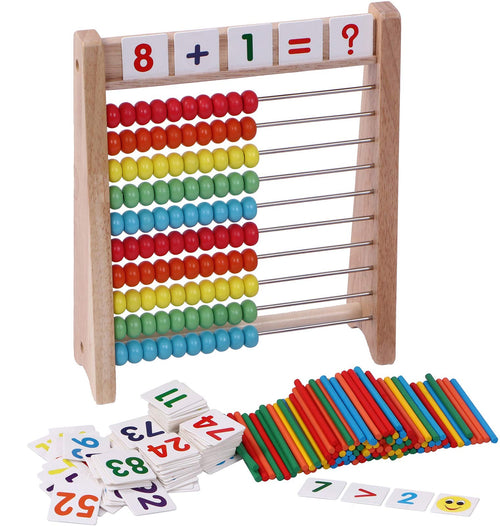
For the youngest, look for toys designed for that age, such as these stacking rings and cups for 12 months and over or a machine-washable soft toy like the Baby GUND Emory fox. A wooden stacking puzzle for ages 3–6 or a wooden abacus with 100 beads is aimed at older pre-schoolers, so keep it away from a crawling sibling.
UKCA, CE and the Lion Mark
Before a toy is sold in Great Britain, the manufacturer must draw up a declaration of conformity and fix either the UKCA marking or the CE marking visibly and legibly to the toy, a label or the packaging. Government guidance confirms that the CE marking continues to be recognised in Great Britain, so either mark is acceptable. Warnings and safety information must be in English, preceded by the word "Warning" or "Warnings".
You may also see the Lion Mark. It is a voluntary symbol of the British Toy and Hobby Association, used on toys made by its members; Waltham Forest Council's Trading Standards team describes it as showing that toys meet legal safety requirements. A missing Lion Mark is not a warning sign, but a missing UKCA or CE mark is.
Warnings on particular kinds of toy
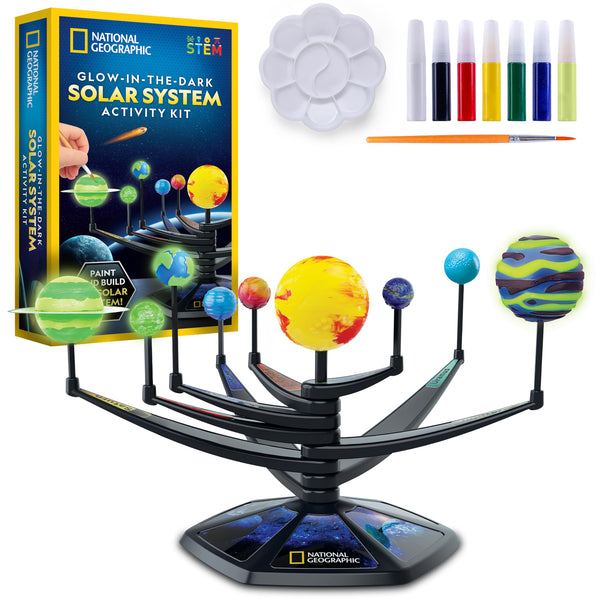
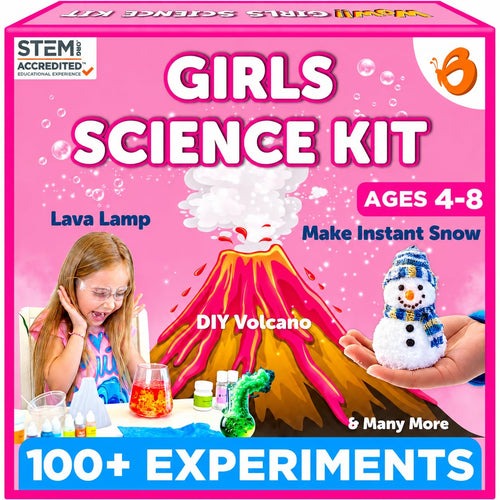
- Chemical and experiment kits must carry the warning "Not suitable for children under (age) years. For use under adult supervision." Kits like this science kit for ages 4–8 are designed to be done together.
- Toys in food, such as a chocolate egg with a toy inside, must say "Toy inside. Adult supervision recommended."
- Cot and pram toys strung across a cot must warn that they should be removed once the child starts trying to get up on hands and knees.
- Activity toys such as swings and slides must say "Only for domestic use".
Button batteries and small, strong magnets
The Office for Product Safety and Standards highlights two small objects that can do severe harm if a child swallows them. Button batteries react with saliva to make caustic soda, and can burn through the food pipe if one gets stuck. If a child swallows more than one strong magnet, the magnets can be pulled together inside the intestines, cutting off the blood supply.
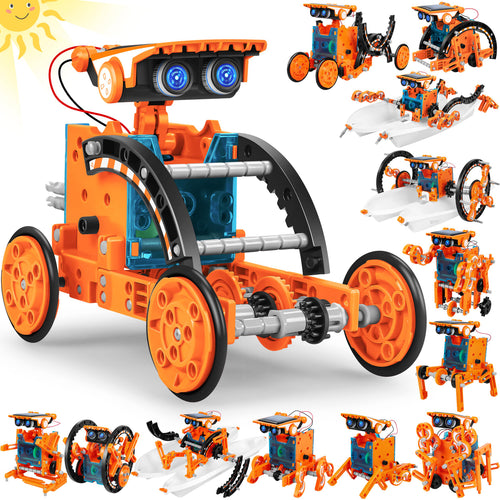
The Child Accident Prevention Trust suggests looking around your home for button batteries (in toys, lights and remote controls), checking for products with loose backs, storing spare batteries up high and out of reach, and disposing of used ones promptly, because they are still unsafe. When choosing a toy, check that any battery compartment is secure, for example closed with a screw, or choose a battery-free design such as this solar-powered robot kit.
If you think a child has swallowed a button battery or magnets, OPSS advises going straight to A&E, taking the packaging, toy or gadget with you if you can. Don't let the child eat or drink, and don't make them sick.
Buying toys online
- Choose a seller whose name and contact details you can find. Our guide to Your rights when you shop online in the UK explains your rights if something is wrong.
- Look for the age range and warnings in the listing, then check them again on the box when it arrives.
- Check the toy has not been recalled. The OPSS list on GOV.UK can be searched by product; see How to check if a product has been recalled in the UK.
- Keep the packaging and instructions. Warnings are often printed only on the box.
Common questions
What does "not suitable for children under 36 months" mean?
It is a legal warning for toys that might be dangerous for children under three, usually because of small parts. It should come with a brief note of the specific hazard. It does not mean the toy is too difficult for a young child; it means it could be unsafe.
Is the age on the box the same as a safety warning?
Not always. Many boxes show a suggested age range for the play itself, such as "ages 8+". The under-36-months warning is a specific safety warning. Read both.
What is the Lion Mark?
A voluntary mark from the British Toy and Hobby Association, shown on toys made by its members. Trading Standards guidance describes it as showing that the toy meets legal safety requirements. It is not a legal requirement, so many safe toys don't carry it.
What should I do if a child swallows a button battery or magnets?
OPSS advises taking the child straight to A&E, with the product or packaging if you can. Don't let them eat or drink and don't make them sick.
Shop the guide
Browse Gifts for Kids for presents grouped by child, or by type: Baby & Toddler Toys, Stacking, Sorting & Activity Toys, Learning & STEM Toys, Science Kits, Soft Toys & Plush and Board Games. The full department is Toys & Games.
More guides: How to choose an advent calendar · Christmas gift ideas people actually use · How to check if a product has been recalled in the UK. Delivery is free on every order to UK addresses, with no minimum spend. Orders are prepared within 1–3 working days and, once dispatched, reach most UK addresses in 3–7 working days. Returns are free within 30 days of delivery for items that are unused and in their original packaging. Details: Delivery · Returns & refunds.
This guide is general information. Always read the instructions, warnings and age or safety markings that come with a product. If you are worried a child has swallowed something, seek medical help straight away.
Sources
- GOV.UK: Toys (Safety) Regulations 2011 – statutory guidance for Great Britain
- legislation.gov.uk: Toys (Safety) Regulations 2011, Schedule 5 Part B – warnings
- GOV.UK (OPSS): Hidden danger in your home – button batteries and powerful magnets
- Child Accident Prevention Trust: Button battery safety
- Waltham Forest Council Trading Standards: The Lion Mark
- GOV.UK: Product Safety Alerts, Reports and Recalls (Office for Product Safety and Standards)